
Once the pool is closed and the cover is on, many homeowners shift into “out of sight, out of mind” mode. And while winter pool care doesn’t require the same level of attention as peak season, it’s not something you can completely ignore.
Unfortunately, there are some persistent myths floating around that lead pool owners to make costly mistakes in the off-season. Let's separate fact from fiction and help you keep your pool protected, even when you’re not using it.
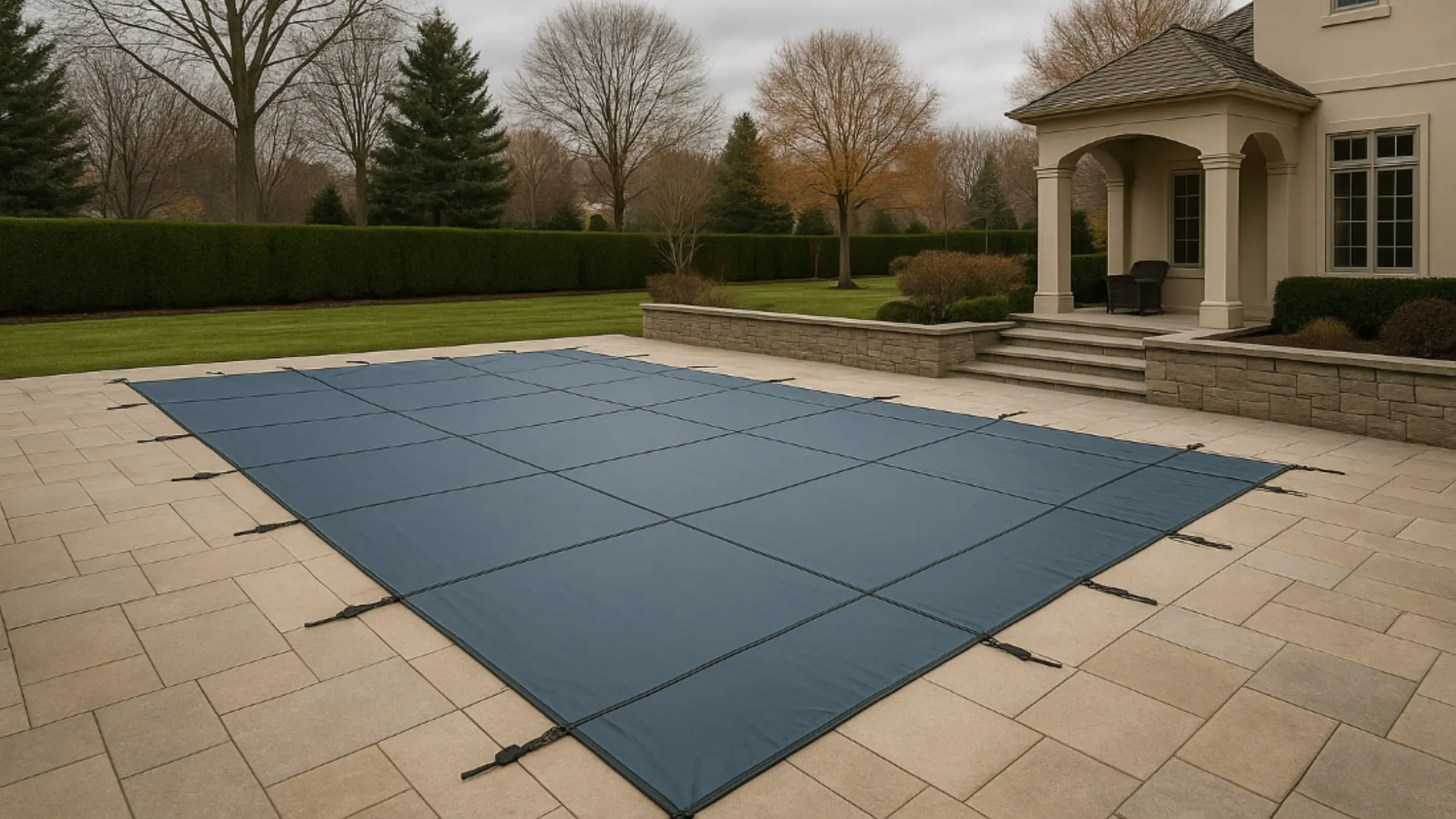
Myth 1: "Once It’s Closed, I Can Forget About It"
Reality: Out of sight shouldn’t mean out of mind.
While your pool may not need daily attention in the off-season, a complete hands-off approach can lead to unnecessary costs, repairs, or delays in opening when spring arrives.
Winter neglect can result in:
- Algae blooms
- Damaged covers or liners
- Cracked tiles or coping
- Rusted ladders or fittings
- Difficult or delayed spring openings
What to do: Set a reminder to do a quick monthly walkaround and visual check, even if you don’t open the cover. A few minutes of attention now can save hours (and hundreds of dollars) later.
Myth 2: "Cold Water Prevents Algae"
Reality: Cold slows algae growth, but it doesn’t stop it entirely.
Many pool owners believe algae is a warm-weather-only problem. It’s true that algae grows more slowly in cooler water, but it can still bloom under the right conditions, especially during milder winters or in regions where temperatures fluctuate.
If you closed your pool without properly balancing the water, or if contaminants enter under a mesh cover, algae can take hold even in the cold.
What to do: Always close your pool with clean, balanced water and consider monthly treatments with a multi-purpose product like E-Z POOL®. If you notice a greenish tint or staining through your cover, it’s not just your imagination.
Myth 3: "I Don't Need to Check Water Chemistry Until Spring"
Reality: Neglected water can become a springtime disaster.
Skipping winter water checks may seem harmless — especially with a solid cover in place — but it can lead to corrosion, scale buildup, and serious staining. Pool water is dynamic, and pH, alkalinity, and calcium hardness levels can drift over time.
Even one or two mid-winter checks can prevent expensive surprises when it’s time to open the pool again.
What to do: Test the water a couple of times during winter (monthly if possible). Adjust pH and alkalinity if they’ve shifted, and keep an eye out for early signs of staining or scale, which may require preventative treatment.
Myth 4: "All Pool Covers Offer the Same Protection"
Reality: Different covers serve very different purposes.
It’s a common assumption that all pool covers keep out debris and protect your pool the same way. In truth, there’s a big difference between safety covers, mesh covers, winter covers, and solar blankets — and each performs differently in winter conditions.
A mesh cover, for example, allows rain and snowmelt into the pool, which can dilute water chemistry and introduce debris. A solid cover offers more protection but may require a cover pump to prevent damage from standing water.
What to do: Know what type of cover you have and how it’s meant to function. Remove standing water regularly and when ice conditions allow, clear off leaves and debris, and inspect cover tension and anchors throughout the season.
Myth 5: "Snow and Ice Can’t Hurt a Pool"
Reality: They absolutely can, especially if water levels are too high or covers aren't properly supported.
Winter precipitation can do real damage if left unchecked. Heavy snow and ice can stretch, tear, or collapse pool covers. If water levels rise under the cover, ice expansion can crack tiles, skimmers, or fittings.
What to do: Maintain the proper water level under the cover and inspect regularly for sagging or pooling, and make sure any freeze protection systems are in working order if your pool is still running.
Final Thoughts About Winter Pool Myths
Your pool may be hibernating for the winter, but it’s still part of your home and an investment worth protecting. Don’t let these common winter myths fool you. A little off-season awareness goes a long way toward ensuring your pool is clean, safe, and swim-ready when warmer weather returns.
